The Advantages, Installation, and Applications of Geotubes
31, Jul. 2025
High-Performance Geotube Solutions for Erosion Control & Sludge Management | ASTM-Certified PP/Polyester Woven Tubes Trusted in 50+ Global Projects: Mining Slime Dewatering, Coastal Protection & Industrial Waste Containment
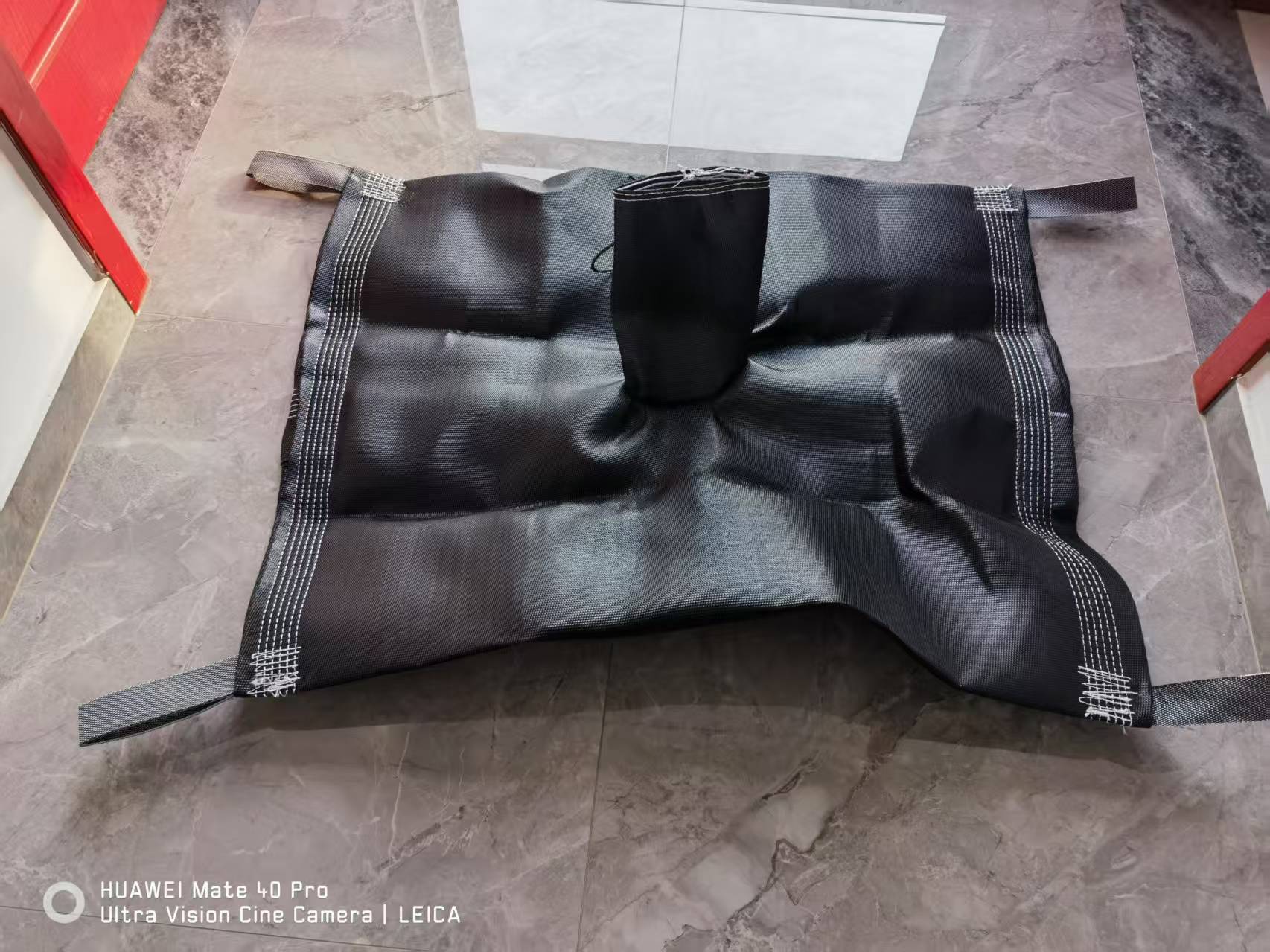 In the realm of environmental engineering and construction, geotubes have emerged as a versatile and effective solution for a variety of challenges. Whether it's for sludge dewatering or erosion control, geotubes offer a sustainable and efficient method to manage these issues. This blog will delve into the advantages of geotubes, their installation process, and their diverse applications, with a focus on **geotubes for sludge dewatering** and **geotube for erosion control**.
**Advantages of Geotubes
1. Cost-Effective Solution: Geotubes are a budget-friendly alternative to traditional methods of sludge dewatering and erosion control. They reduce the need for heavy machinery and extensive labor, thereby cutting down on overall project costs.
2. Environmental Sustainability: Made from high-strength, permeable geotextile materials, geotubes are environmentally friendly. They allow water to pass through while retaining solids, making them ideal for dewatering sludge and preventing soil erosion.
3. High Efficiency: Geotubes can handle large volumes of sludge and water, making them highly efficient for dewatering applications. They significantly reduce the volume of sludge, which simplifies disposal and reduces transportation costs.
4. Durability and Strength**: Designed to withstand harsh environmental conditions, geotubes are durable and resistant to UV rays, chemicals, and biological degradation. This makes them suitable for long-term use in various applications.
5. Versatility: Geotubes can be used in a wide range of environments, including coastal areas, rivers, lakes, and industrial sites. Their adaptability makes them a go-to solution for both temporary and permanent projects.
In the realm of environmental engineering and construction, geotubes have emerged as a versatile and effective solution for a variety of challenges. Whether it's for sludge dewatering or erosion control, geotubes offer a sustainable and efficient method to manage these issues. This blog will delve into the advantages of geotubes, their installation process, and their diverse applications, with a focus on **geotubes for sludge dewatering** and **geotube for erosion control**.
**Advantages of Geotubes
1. Cost-Effective Solution: Geotubes are a budget-friendly alternative to traditional methods of sludge dewatering and erosion control. They reduce the need for heavy machinery and extensive labor, thereby cutting down on overall project costs.
2. Environmental Sustainability: Made from high-strength, permeable geotextile materials, geotubes are environmentally friendly. They allow water to pass through while retaining solids, making them ideal for dewatering sludge and preventing soil erosion.
3. High Efficiency: Geotubes can handle large volumes of sludge and water, making them highly efficient for dewatering applications. They significantly reduce the volume of sludge, which simplifies disposal and reduces transportation costs.
4. Durability and Strength**: Designed to withstand harsh environmental conditions, geotubes are durable and resistant to UV rays, chemicals, and biological degradation. This makes them suitable for long-term use in various applications.
5. Versatility: Geotubes can be used in a wide range of environments, including coastal areas, rivers, lakes, and industrial sites. Their adaptability makes them a go-to solution for both temporary and permanent projects.
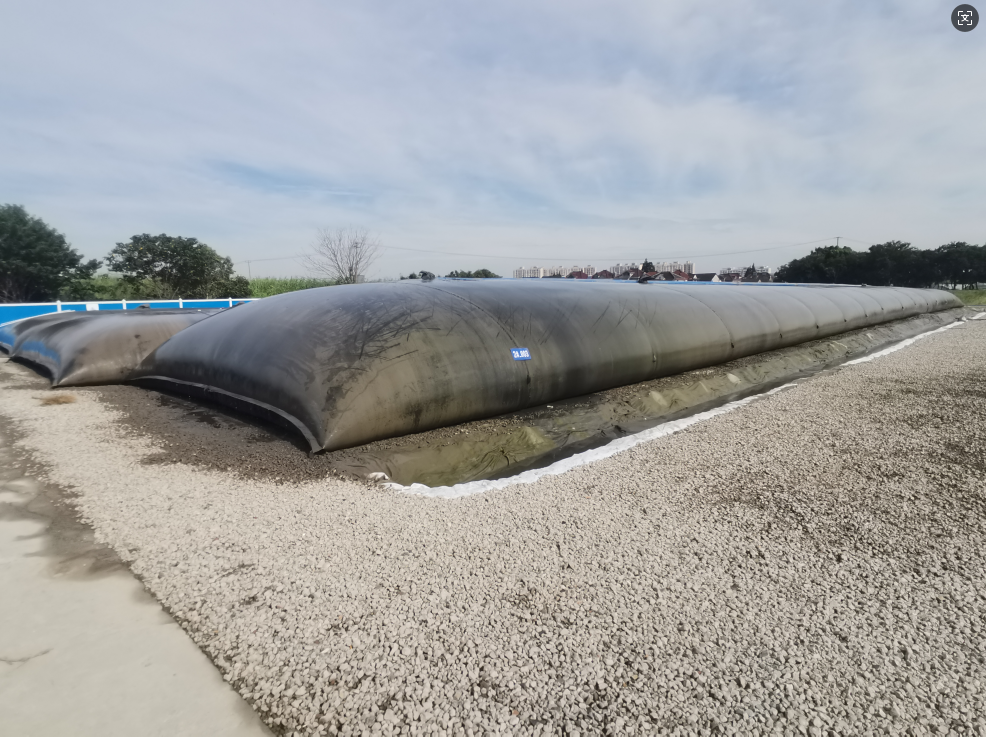 Installation of Geotubes
The installation process of geotubes is straightforward but requires careful planning and execution to ensure optimal performance. Here’s a step-by-step guide:
1. Site Preparation: Choose a suitable location for the geotube installation. Clear the area of any debris and ensure the ground is level. For erosion control, the site should be along the shoreline or riverbank where erosion is a concern.
2. Geotube Placement: Unroll the geotube and position it according to the project requirements. For sludge dewatering, place the geotube in a containment area where sludge can be pumped into it. For erosion control, position the geotube along the vulnerable area.
3. Filling the Geotube: Use a sludge pump to fill the geotube with the slurry or sludge. The geotextile fabric will allow water to seep out while retaining the solids inside. For erosion control, the geotube can be filled with sand or other granular materials.
4. Dewatering Process: As the geotube fills, the dewatering process begins. The water drains through the geotextile fabric, leaving behind dewatered sludge. This process may take several days, depending on the volume and type of sludge.
5. Consolidation and Removal: Once the dewatering process is complete, the sludge inside the geotube will consolidate. The geotube can then be removed and the dewatered sludge disposed of or used for other purposes, such as land application.
Applications of Geotubes**
1. Geotubes for Sludge Dewatering: One of the most common uses of geotubes is in the dewatering of sludge from wastewater treatment plants, industrial processes, and dredging operations. Geotubes efficiently separate water from sludge, reducing its volume and making it easier to handle and dispose of.
2. Geotube for Erosion Control: Geotubes are also widely used for erosion control in coastal areas, riverbanks, and lakeshores. They act as a barrier to prevent soil erosion caused by waves, currents, and wind. By stabilizing the soil, geotubes help protect infrastructure and natural habitats.
3. Containment Barriers: In construction and mining sites, geotubes are used as containment barriers to manage sediment and prevent the spread of contaminants. They are also used in the construction of temporary dams and cofferdams.
4. Land Reclamation: Geotubes play a crucial role in land reclamation projects by providing a stable foundation for new land. They are used to contain and dewater dredged materials, which are then used to create new land areas.
5. Agriculture: In agriculture, geotubes are used for dewatering manure and other organic waste. The dewatered material can be used as fertilizer, providing a sustainable solution for waste management.
**Conclusion
Geotubes are a revolutionary solution for sludge dewatering and erosion control, offering numerous advantages such as cost-effectiveness, environmental sustainability, and high efficiency. Their easy installation process and versatility make them suitable for a wide range of applications, from wastewater treatment to coastal protection. By incorporating **geotubes for sludge dewatering** and **geotube for erosion control** into your projects, you can achieve sustainable and effective results while minimizing environmental impact.
Whether you're an environmental engineer, a construction professional, or an agriculturalist, geotubes provide a reliable and innovative solution to some of the most pressing challenges in your field. Embrace the power of geotubes and take a step towards a more sustainable future
Installation of Geotubes
The installation process of geotubes is straightforward but requires careful planning and execution to ensure optimal performance. Here’s a step-by-step guide:
1. Site Preparation: Choose a suitable location for the geotube installation. Clear the area of any debris and ensure the ground is level. For erosion control, the site should be along the shoreline or riverbank where erosion is a concern.
2. Geotube Placement: Unroll the geotube and position it according to the project requirements. For sludge dewatering, place the geotube in a containment area where sludge can be pumped into it. For erosion control, position the geotube along the vulnerable area.
3. Filling the Geotube: Use a sludge pump to fill the geotube with the slurry or sludge. The geotextile fabric will allow water to seep out while retaining the solids inside. For erosion control, the geotube can be filled with sand or other granular materials.
4. Dewatering Process: As the geotube fills, the dewatering process begins. The water drains through the geotextile fabric, leaving behind dewatered sludge. This process may take several days, depending on the volume and type of sludge.
5. Consolidation and Removal: Once the dewatering process is complete, the sludge inside the geotube will consolidate. The geotube can then be removed and the dewatered sludge disposed of or used for other purposes, such as land application.
Applications of Geotubes**
1. Geotubes for Sludge Dewatering: One of the most common uses of geotubes is in the dewatering of sludge from wastewater treatment plants, industrial processes, and dredging operations. Geotubes efficiently separate water from sludge, reducing its volume and making it easier to handle and dispose of.
2. Geotube for Erosion Control: Geotubes are also widely used for erosion control in coastal areas, riverbanks, and lakeshores. They act as a barrier to prevent soil erosion caused by waves, currents, and wind. By stabilizing the soil, geotubes help protect infrastructure and natural habitats.
3. Containment Barriers: In construction and mining sites, geotubes are used as containment barriers to manage sediment and prevent the spread of contaminants. They are also used in the construction of temporary dams and cofferdams.
4. Land Reclamation: Geotubes play a crucial role in land reclamation projects by providing a stable foundation for new land. They are used to contain and dewater dredged materials, which are then used to create new land areas.
5. Agriculture: In agriculture, geotubes are used for dewatering manure and other organic waste. The dewatered material can be used as fertilizer, providing a sustainable solution for waste management.
**Conclusion
Geotubes are a revolutionary solution for sludge dewatering and erosion control, offering numerous advantages such as cost-effectiveness, environmental sustainability, and high efficiency. Their easy installation process and versatility make them suitable for a wide range of applications, from wastewater treatment to coastal protection. By incorporating **geotubes for sludge dewatering** and **geotube for erosion control** into your projects, you can achieve sustainable and effective results while minimizing environmental impact.
Whether you're an environmental engineer, a construction professional, or an agriculturalist, geotubes provide a reliable and innovative solution to some of the most pressing challenges in your field. Embrace the power of geotubes and take a step towards a more sustainable future  In the realm of environmental engineering and construction, geotubes have emerged as a versatile and effective solution for a variety of challenges. Whether it's for sludge dewatering or erosion control, geotubes offer a sustainable and efficient method to manage these issues. This blog will delve into the advantages of geotubes, their installation process, and their diverse applications, with a focus on **geotubes for sludge dewatering** and **geotube for erosion control**.
**Advantages of Geotubes
1. Cost-Effective Solution: Geotubes are a budget-friendly alternative to traditional methods of sludge dewatering and erosion control. They reduce the need for heavy machinery and extensive labor, thereby cutting down on overall project costs.
2. Environmental Sustainability: Made from high-strength, permeable geotextile materials, geotubes are environmentally friendly. They allow water to pass through while retaining solids, making them ideal for dewatering sludge and preventing soil erosion.
3. High Efficiency: Geotubes can handle large volumes of sludge and water, making them highly efficient for dewatering applications. They significantly reduce the volume of sludge, which simplifies disposal and reduces transportation costs.
4. Durability and Strength**: Designed to withstand harsh environmental conditions, geotubes are durable and resistant to UV rays, chemicals, and biological degradation. This makes them suitable for long-term use in various applications.
5. Versatility: Geotubes can be used in a wide range of environments, including coastal areas, rivers, lakes, and industrial sites. Their adaptability makes them a go-to solution for both temporary and permanent projects.
In the realm of environmental engineering and construction, geotubes have emerged as a versatile and effective solution for a variety of challenges. Whether it's for sludge dewatering or erosion control, geotubes offer a sustainable and efficient method to manage these issues. This blog will delve into the advantages of geotubes, their installation process, and their diverse applications, with a focus on **geotubes for sludge dewatering** and **geotube for erosion control**.
**Advantages of Geotubes
1. Cost-Effective Solution: Geotubes are a budget-friendly alternative to traditional methods of sludge dewatering and erosion control. They reduce the need for heavy machinery and extensive labor, thereby cutting down on overall project costs.
2. Environmental Sustainability: Made from high-strength, permeable geotextile materials, geotubes are environmentally friendly. They allow water to pass through while retaining solids, making them ideal for dewatering sludge and preventing soil erosion.
3. High Efficiency: Geotubes can handle large volumes of sludge and water, making them highly efficient for dewatering applications. They significantly reduce the volume of sludge, which simplifies disposal and reduces transportation costs.
4. Durability and Strength**: Designed to withstand harsh environmental conditions, geotubes are durable and resistant to UV rays, chemicals, and biological degradation. This makes them suitable for long-term use in various applications.
5. Versatility: Geotubes can be used in a wide range of environments, including coastal areas, rivers, lakes, and industrial sites. Their adaptability makes them a go-to solution for both temporary and permanent projects.
 Installation of Geotubes
The installation process of geotubes is straightforward but requires careful planning and execution to ensure optimal performance. Here’s a step-by-step guide:
1. Site Preparation: Choose a suitable location for the geotube installation. Clear the area of any debris and ensure the ground is level. For erosion control, the site should be along the shoreline or riverbank where erosion is a concern.
2. Geotube Placement: Unroll the geotube and position it according to the project requirements. For sludge dewatering, place the geotube in a containment area where sludge can be pumped into it. For erosion control, position the geotube along the vulnerable area.
3. Filling the Geotube: Use a sludge pump to fill the geotube with the slurry or sludge. The geotextile fabric will allow water to seep out while retaining the solids inside. For erosion control, the geotube can be filled with sand or other granular materials.
4. Dewatering Process: As the geotube fills, the dewatering process begins. The water drains through the geotextile fabric, leaving behind dewatered sludge. This process may take several days, depending on the volume and type of sludge.
5. Consolidation and Removal: Once the dewatering process is complete, the sludge inside the geotube will consolidate. The geotube can then be removed and the dewatered sludge disposed of or used for other purposes, such as land application.
Applications of Geotubes**
1. Geotubes for Sludge Dewatering: One of the most common uses of geotubes is in the dewatering of sludge from wastewater treatment plants, industrial processes, and dredging operations. Geotubes efficiently separate water from sludge, reducing its volume and making it easier to handle and dispose of.
2. Geotube for Erosion Control: Geotubes are also widely used for erosion control in coastal areas, riverbanks, and lakeshores. They act as a barrier to prevent soil erosion caused by waves, currents, and wind. By stabilizing the soil, geotubes help protect infrastructure and natural habitats.
3. Containment Barriers: In construction and mining sites, geotubes are used as containment barriers to manage sediment and prevent the spread of contaminants. They are also used in the construction of temporary dams and cofferdams.
4. Land Reclamation: Geotubes play a crucial role in land reclamation projects by providing a stable foundation for new land. They are used to contain and dewater dredged materials, which are then used to create new land areas.
5. Agriculture: In agriculture, geotubes are used for dewatering manure and other organic waste. The dewatered material can be used as fertilizer, providing a sustainable solution for waste management.
**Conclusion
Geotubes are a revolutionary solution for sludge dewatering and erosion control, offering numerous advantages such as cost-effectiveness, environmental sustainability, and high efficiency. Their easy installation process and versatility make them suitable for a wide range of applications, from wastewater treatment to coastal protection. By incorporating **geotubes for sludge dewatering** and **geotube for erosion control** into your projects, you can achieve sustainable and effective results while minimizing environmental impact.
Whether you're an environmental engineer, a construction professional, or an agriculturalist, geotubes provide a reliable and innovative solution to some of the most pressing challenges in your field. Embrace the power of geotubes and take a step towards a more sustainable future
Installation of Geotubes
The installation process of geotubes is straightforward but requires careful planning and execution to ensure optimal performance. Here’s a step-by-step guide:
1. Site Preparation: Choose a suitable location for the geotube installation. Clear the area of any debris and ensure the ground is level. For erosion control, the site should be along the shoreline or riverbank where erosion is a concern.
2. Geotube Placement: Unroll the geotube and position it according to the project requirements. For sludge dewatering, place the geotube in a containment area where sludge can be pumped into it. For erosion control, position the geotube along the vulnerable area.
3. Filling the Geotube: Use a sludge pump to fill the geotube with the slurry or sludge. The geotextile fabric will allow water to seep out while retaining the solids inside. For erosion control, the geotube can be filled with sand or other granular materials.
4. Dewatering Process: As the geotube fills, the dewatering process begins. The water drains through the geotextile fabric, leaving behind dewatered sludge. This process may take several days, depending on the volume and type of sludge.
5. Consolidation and Removal: Once the dewatering process is complete, the sludge inside the geotube will consolidate. The geotube can then be removed and the dewatered sludge disposed of or used for other purposes, such as land application.
Applications of Geotubes**
1. Geotubes for Sludge Dewatering: One of the most common uses of geotubes is in the dewatering of sludge from wastewater treatment plants, industrial processes, and dredging operations. Geotubes efficiently separate water from sludge, reducing its volume and making it easier to handle and dispose of.
2. Geotube for Erosion Control: Geotubes are also widely used for erosion control in coastal areas, riverbanks, and lakeshores. They act as a barrier to prevent soil erosion caused by waves, currents, and wind. By stabilizing the soil, geotubes help protect infrastructure and natural habitats.
3. Containment Barriers: In construction and mining sites, geotubes are used as containment barriers to manage sediment and prevent the spread of contaminants. They are also used in the construction of temporary dams and cofferdams.
4. Land Reclamation: Geotubes play a crucial role in land reclamation projects by providing a stable foundation for new land. They are used to contain and dewater dredged materials, which are then used to create new land areas.
5. Agriculture: In agriculture, geotubes are used for dewatering manure and other organic waste. The dewatered material can be used as fertilizer, providing a sustainable solution for waste management.
**Conclusion
Geotubes are a revolutionary solution for sludge dewatering and erosion control, offering numerous advantages such as cost-effectiveness, environmental sustainability, and high efficiency. Their easy installation process and versatility make them suitable for a wide range of applications, from wastewater treatment to coastal protection. By incorporating **geotubes for sludge dewatering** and **geotube for erosion control** into your projects, you can achieve sustainable and effective results while minimizing environmental impact.
Whether you're an environmental engineer, a construction professional, or an agriculturalist, geotubes provide a reliable and innovative solution to some of the most pressing challenges in your field. Embrace the power of geotubes and take a step towards a more sustainable future